The sexualization and objectification of Marilyn Monroe though the Mise-en-Scène of Gentlemen Prefer Blondes.
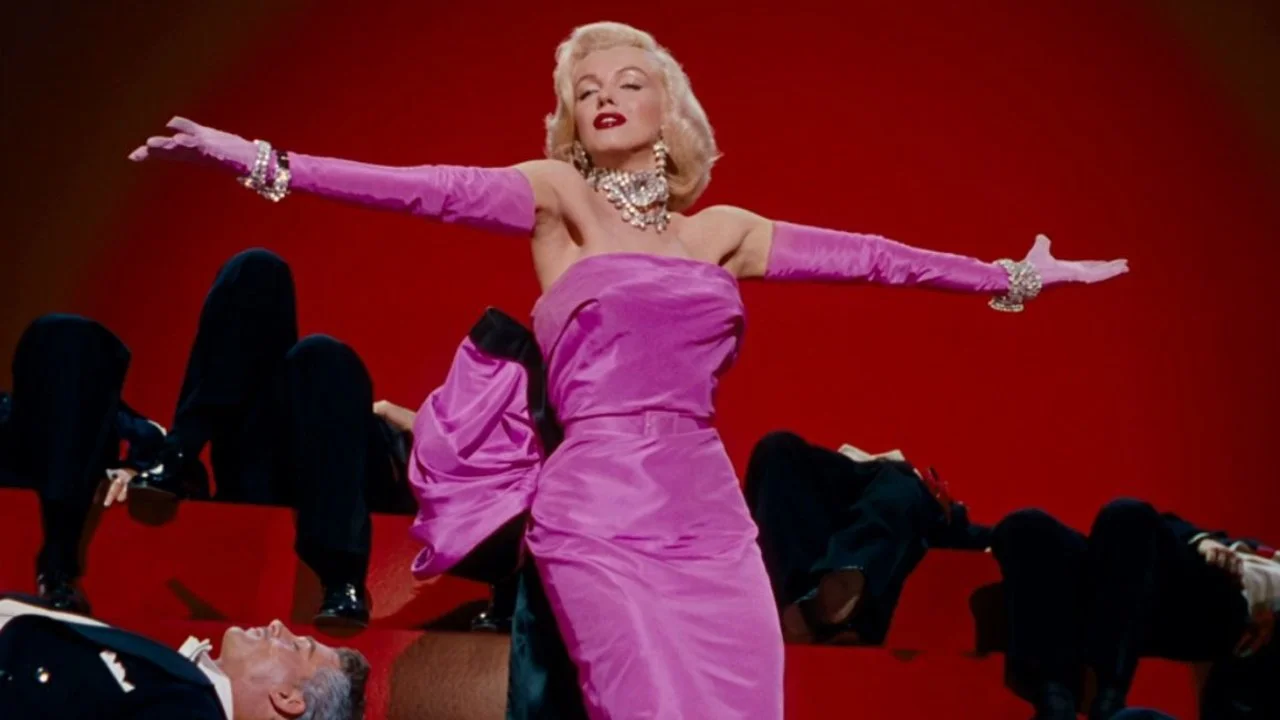
Fig. 1: Marilyn Monroe in Gentlemen Prefer Blondes
Berger explains that the presence of a woman manifests itself through her clothes, gestures, voice, expressions, and chosen surroundings (46). In Gentlemen Prefer Blondes, Monroe’s character Lorelei Lee is sexualized and objectified through her presence. The mise-en-scène, through costumes, character positioning, and visual emphasis, serves to objectify Lorelei. In this scene analysis, I will look at the mise-en-scène in the dinner scene (34:00-36:22), as numerous aspects aim to objectify her.
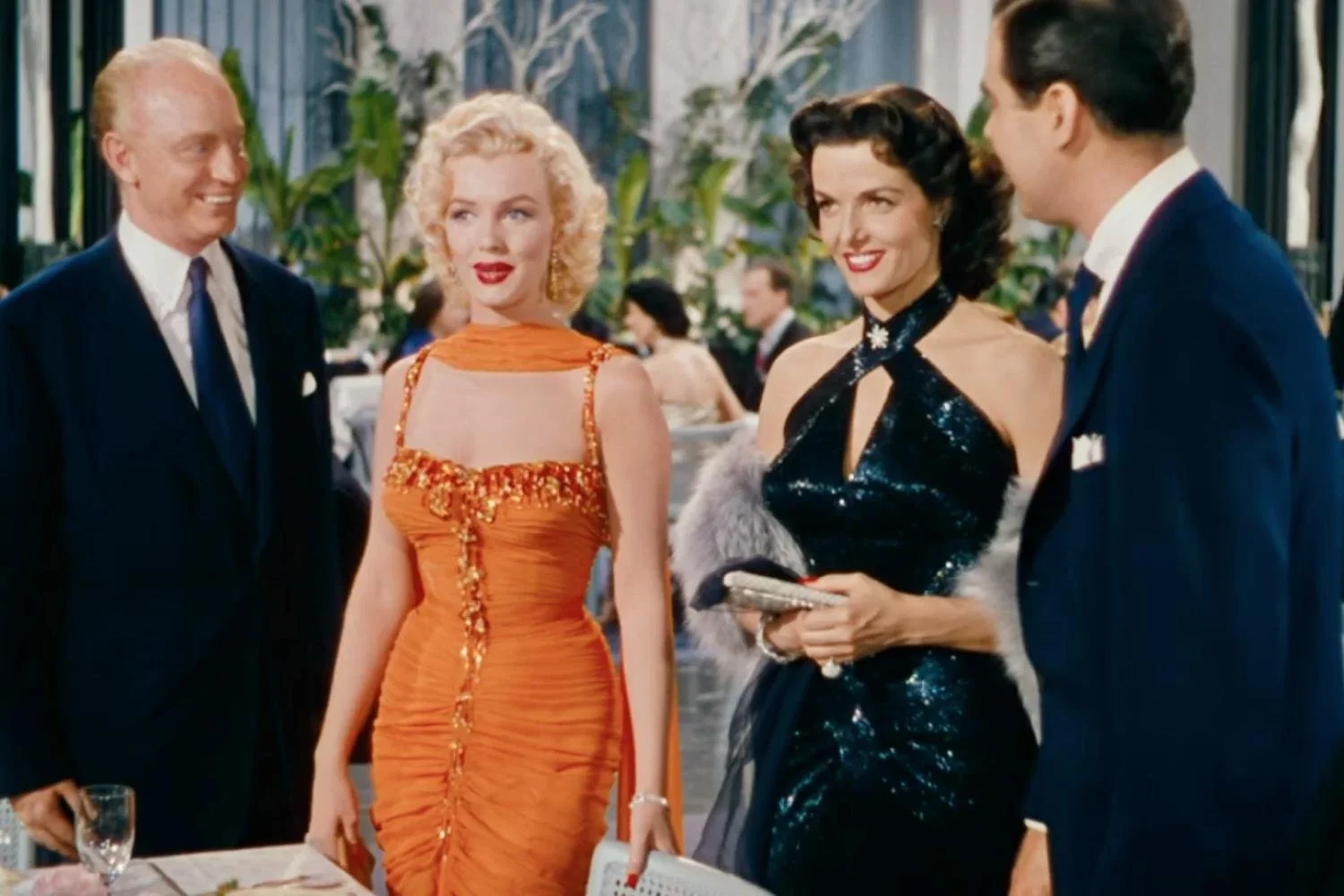
Fig. 2: Marilyn Monroe and Jane Russell in Gentlemen Prefer Blondes
The first aspect of the mise-en-scène and the most obvious one is the costumes. Lorelei is dressed in a form-fitting orange chiffon gown with sparkly beading on the bust line and straps that continue down the center, paired with a matching chiffon stole, and cascading diamond earrings. Dorothy was styled in a black beaded gown with a keyhole neckline featuring a star-shaped diamond embellishment on the neckline, which match her earrings. It is paired with a fur shawl and a sparkly clutch. Lorelei definitely pops on screen more than anybody else in the scene. The way Lorelei’s neck line is cut, makes it appear as though she is framing her chest, making her appear more accessible compared to Dorothy, whose chest is more covered. Most of the characters in this scene wear dark colours, making Lorelei stand out more. The use of colour in this film is quite interesting. Orange often is a colour associated with a prisoner’s jumpsuit. Lorelei being dressed in orange could signify that she is a prisoner of the male gaze, especially in a scene in which every man is looking at her as an object. It could also play as foreshadowing for the crime she will later commit in the film.

Fig. 3: Monoe in Gentlemen Prefer Blondes
The positioning of the characters also plays a role in their perception. Lorelei and Dorothy are almost always at the center of the screen, however their body language could not be any more different. Although both girls walk into the room with their shoulders up straight, Dorothy enters the scene with her clutch held up closer to her torso. When she approaches to sit down at the table, both of her hands are now holding onto the clutch, making her appear more closed off. Her fur shawl also acts as a cover for her due to its size. On the other hand, Lorelei enters the scene with both of her arms down, showing off the full effect of her gown. Lorelei’s stance makes her appear more accessible, and is reminiscent of the nude portrait Berger talks about. “Men survey women before treating them. Consequently how a woman appears to a man can determine how she will be treated.” (Berger 46). She is positioning her body in a way that shows it off, and her presenting herself in a dress that directs the male attention towards her definitely affects how she is treated in the scene. From the second she appears on screen she is helped by a man who guides them to their table. Once at the table, all of the men stand up to greet them with big smiles on their faces and they help them get seated. Even in “conversations” with Lorelei, the men don’t do much talking, instead they focus on gazing at her.
The way the mise-en-scène frames Lorelei in this scene, reinforces Berger’s point that a woman’s appearance determines how she will be treated by men. Although the plot of this scene is centred on Dorothy finding a potential romantic interest that goes sour, Lorelei draws the attention of the men in the scene and the audience alike. If Lorelei were absent from this scene, the development of the plot of the entire film would still be the same. While Lorelei’s dress and body language in this scene seem to invite the male gaze, it may be worth considering that she could be knowingly using her appearance to manipulate men’s behaviour and perception of her.
Works Cited“Chapter 3.” Ways of Seeing, by John Berger, British Broadcasting Corporation, 1977, pp. 45-64.Hawks, Howard, director. Gentlemen Prefer Blondes. 20th Century Fox, 1953.